

The Importance of Regular Exhaust Hood Cleaning for Fire Safety
Introduction
Commercial kitchens are busy environments where safety and cleanliness go hand in hand. Over time, grease and oil particles accumulate inside the exhaust hood, ducts, and fans. Without regular cleaning, these residues become a serious fire hazard and can compromise ventilation performance.
Why Exhaust Hood Cleaning Matters
Every time cooking equipment operates, smoke and vaporized grease rise into the hood and settle along the duct system. If neglected, these layers of grease can ignite and cause fires that spread rapidly through the ventilation system.
Routine cleaning not only removes flammable buildup but also maintains better airflow, keeps energy use efficient, and prevents equipment damage.
Fire Safety and Code Compliance
The National Fire Protection Association (NFPA 96) outlines strict requirements for commercial kitchen exhaust cleaning. Regular maintenance ensures compliance with fire codes, insurance policies, and health inspections. Non-compliance can result in fines, shutdowns, or insurance denials in case of fire-related incidents.
How Professional Cleaning Works
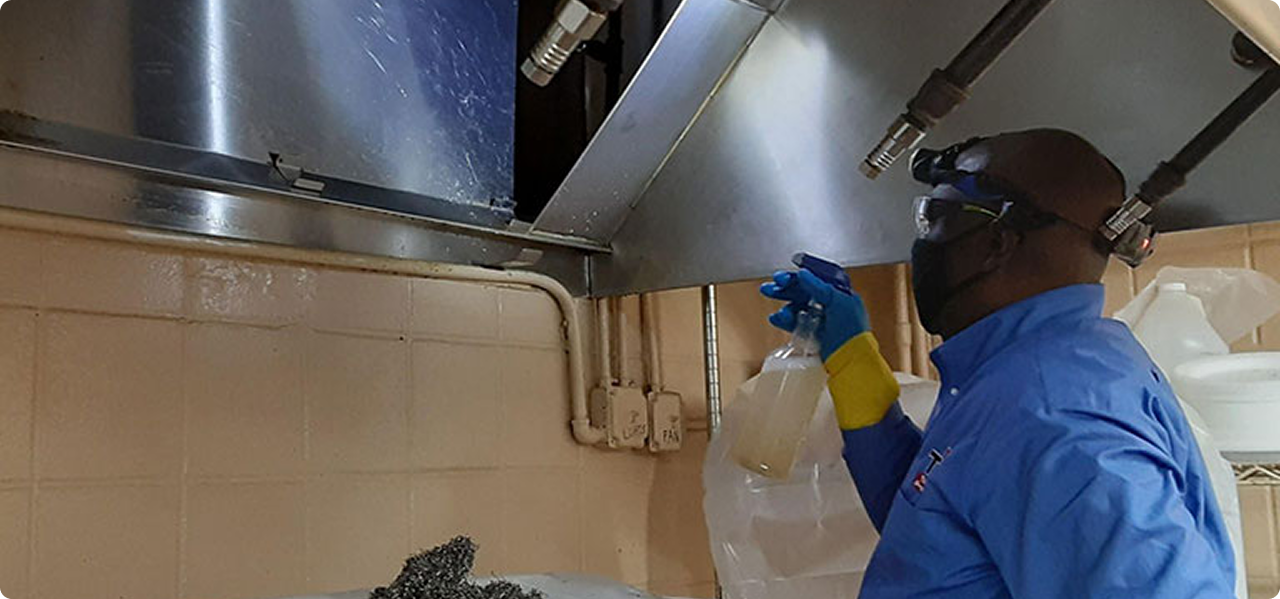
At Grease Goblins, we follow a detailed step-by-step cleaning process:
- Inspection: Identifying areas with excessive buildup.
- Preparation: Protecting cooking surfaces and surroundings.
- Degreasing: Using high-quality cleaning agents to remove grease safely.
- Pressure Washing: Restoring duct and fan efficiency.
- Documentation: Providing service reports for compliance and safety audits.
Our team uses NFPA-approved techniques and fully insured equipment to ensure your kitchen remains both safe and spotless.
The Benefits of Staying Consistent
Regular cleaning doesn’t just improve safety, it extends the lifespan of your exhaust system, reduces fire insurance costs, and keeps your kitchen environment odor-free. Clean ducts mean less strain on exhaust fans, lower utility bills, and a healthier space for staff and customers alike.
How Often Should You Schedule Cleaning?
Cleaning frequency depends on the type and volume of cooking:
- High-volume kitchens (fast food, charbroiling): Every 1–2 months.
- Moderate use (casual dining): Every 3–4 months
- Low volume (churches, seasonal kitchens): Every 6–12 months
A professional assessment helps determine the best schedule for your business.
Conclusion
Fire safety begins with a clean kitchen. Regular exhaust hood cleaning is not just a regulatory requirement, it’s an investment in your team’s safety, your business reputation, and the long-term health of your equipment.